
What’s not to love about about Easter? Pure chocolate heaven with a rich history of blended customs celebrating Fertility!
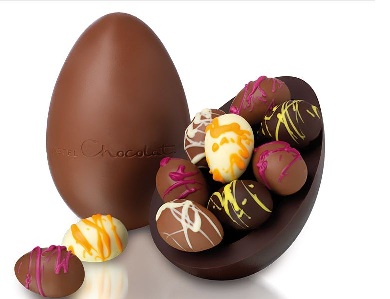 Director of Retail Ireland, Stephan Lynam, reckons we’ll munch our way through a whopping 9 million chocolate eggs this Easter and spend €36 million on 2 tonnes of chocolate. The Easter spend per house is up to €77 alone. Back in January fans of Cadbury Creme Egg discovered Cadbury’s plan to change the chocolate. Twitter went wild as #SaveCremeEggs trended. Chocolate is vital! Before consuming our bodyweight in chocolate and wading through the packaging let’s find out what started it all.
Why Easter Eggs … and Bunnies?
Pagan goddess Oestra rescued an injured bird who couldn’t fly. She made him into a hare, able to move quickly. To remember his avian past he got to lay coloured eggs once a year! Egyptians, Greeks Romans and Iranian Zoroastrians kept the tradition of painting empty egg shells.Pretty baskets replaced nests. In China the birth of a newborn is celebrated with colored eggs.
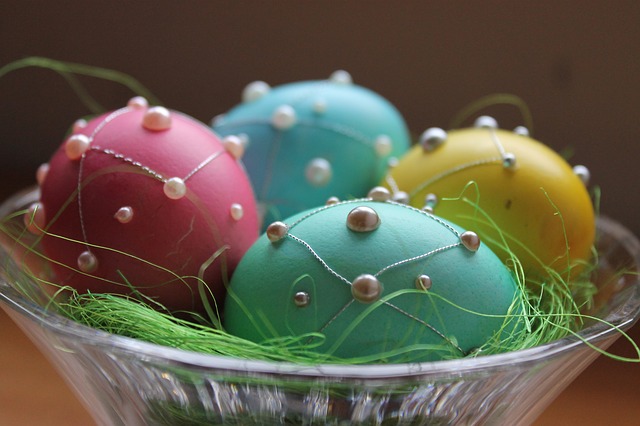
European chocolatiers made chocolate eggs popular in the 18th century and brought the custom to Pennsylvania. The most expensive, calorie-free eggs, are Peter Karl Fabergé’s works of art, commissioned by Czar Alexander 3rd. I imagine every ovum that get’s fertilized as a Fabergé egg. Just remember, of all the eggs … you were the special one!
Fertility Symbols
Oestra, Teutonic goddess of Spring and Fertility, gives her name to Easter. Fertility rites were celebrated at the Spring equinox in her honor. I’m sure there was lots of sex to welcome the return of the sun to the Northern Hemishere after a long boring winter. Her memory lives on! Oestrogen is a crucial fertility hormone. Oestrus, the fertility cycle in animals, is named for the wonderfully sensual Oestra. Sadly, America dropped the ‘E,’ to give Estra, Estrogen and Estrus,. The pronunciation is the same, but I prefer the original spellings and ancient connection!
Symbols are important. Beyond scoffing yummy chocolate eggs, they remind us of the cycle of life, the fleeting, precious nature of fertility.
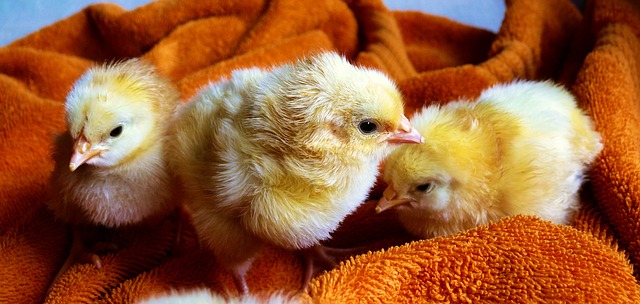
Who can resist a cute fluffy chick? This tiny inhabitant magically emerges from it’s very own eggshell … proof of the joy of fertility.
Rabbits and hares breed with abandon so it’s not surprising they symbolize fertility and fecundity. Pregnancy tests used to involve injecting rabbits. Rabbit meat is said to ensure fertility. With a super-low fat content, that’s no surprise. Maybe you’d prefer your man to wear a potent fertility charm … dried rabbit’s scrotum!

Why is Easter Different Each Year?
Easter is calculated as the first Sunday after the first full moon that comes after Spring Equinox on 21st of March.
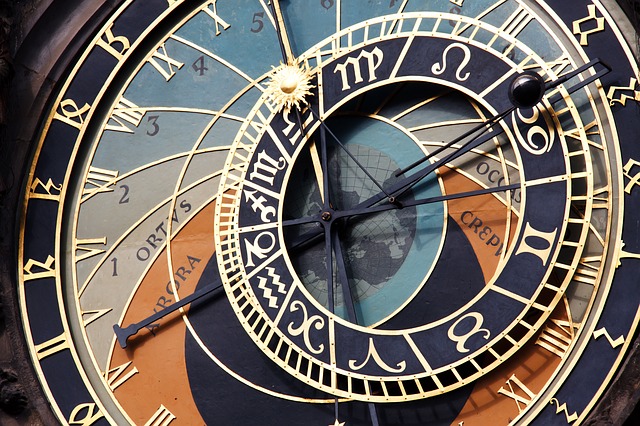
Emperor Constantine decided to have Easter on a Sunday back in 325 ad, so Easter is a ‘moveable’ feast to this day. Quaint, but it can make holiday planning awkward.
Happy Easter!