

As a new study shows burnout on the rise among cancer specialist doctors, is it time to ask – are doctors getting sick? According to this survey, seven out of ten younger cancer doctors in Europe display signs of burnout due to their work. Nearly 600 oncologists below the age of 40 were studied, with over 70% of doctors exhibiting signs of burnout.
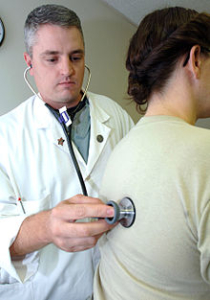
Dr Susana Banerjee, study lead oncologist, explains, ‘Oncology may be an exceptionally rewarding career but it is also very demanding and stressful’.
The Congress of the European Society for Medical Oncology (ESMO 2014) was held in Madrid where the study results were revealed.
Why Is Oncology so Stressful?
‘Oncologists face complex decisions about cancer management, supervise toxic therapies, work long hours, and continually face patients suffering and dying. Furthermore, young oncologists face increased administration, complaints/medico-legal issues, increasing expectations and workload, with reduced resources,” she notes.
All of these factors contribute to the risk of premature burnout .
What is Burnout?
Dr Banerjee explains that burnout involves stress and emotional exhaustion, losing a sense of purpose and critically ‘depersonalisation’ – where doctors stop treating patients with genuine compassion.. A doctor may experience depression, anxiety, insomnia, relationship difficulties, alcohol abuse, substance abuse and suicide. But it can also have a major impact on patients if their doctor can no longer provide compassionate, high-quality care.
Counting the Cost
Doctors with burn out may quit their jobs prematurely, according to the study, leading to a lack of qualified personnel to care for patients. Bearing in mind the length and cost of medical school training this has major implications for already stretched health services.
“I believe as a profession, doctors have a duty to try and address this growing issue at all levels – from universities, individual hospitals and professional societies. Burnout should not be stigmatised as a weakness. We need to support colleagues by focusing on recovery and prevention,” continuesDr Banerjee.
Are you at Risk?
You need to be aware of your work/life balance and take enough time off and holiday breaks to recuperate from the stresses of work. Doctors who are under pressure to see more patients, have less time, fewer team mates and diminished access to support services are at risk over time. Married doctors with children tend to fare better.
An Apple a Day
In my practice I see more doctors, and dentists, dealing with their stress and also learning to use mindfulness skills. Rushed meals, low quality food, lack of exercise and daylight are common complaints for younger, hospital-based doctors. Sleep disturbance, sexual issues and social isolation may tip the balance and push hard-pressed doctors into burnout. An ounce of prevention is worth a pound of cure when doctor feel so stigmatized if they have mental health issues.
An apple a day isn’t just for patients when taking care of yourself means doing your job well.
