
Placebo effect! Scary thought for Aisling fearing it was just all in her head. ‘I felt so good after my first visit, calm and clear-headed. Does therapy work that fast?’
We had a chat about the difference between therapy and placebo. I was a clinical research associate -organising and monitoring drug efficacy trials with GPs, so I know a thing or two about it!

Placebo is a Latin word meaning ‘I shall please.’ In scientific studies about 20% of patients respond to sugar pills, saline injections or sham procedures. They’re dubbed ‘placebo responders.’
Placebos have no pharmacological or active ingredients. They often do reduce pain, lower blood pressure and improve mood. I’m not sure about the ethics of it, but a study used fake knee surgery on patients with arthritis. Patients got anaesthetic and a real wound. Two year follow-up showed pain relief and joint function the same for sham surgery patients as those after real arthroscopic knee surgery.
What is the Placebo effect?
How do doctors explain this very real effect?
Dr. Ted Kaptchuk is a researcher at the Program in Placebo Studies and the Therapeutic Encounter (PIPS) at Beth Israel Deaconess Medical Centre. He was an acupuncturist – until he started studying the effects.
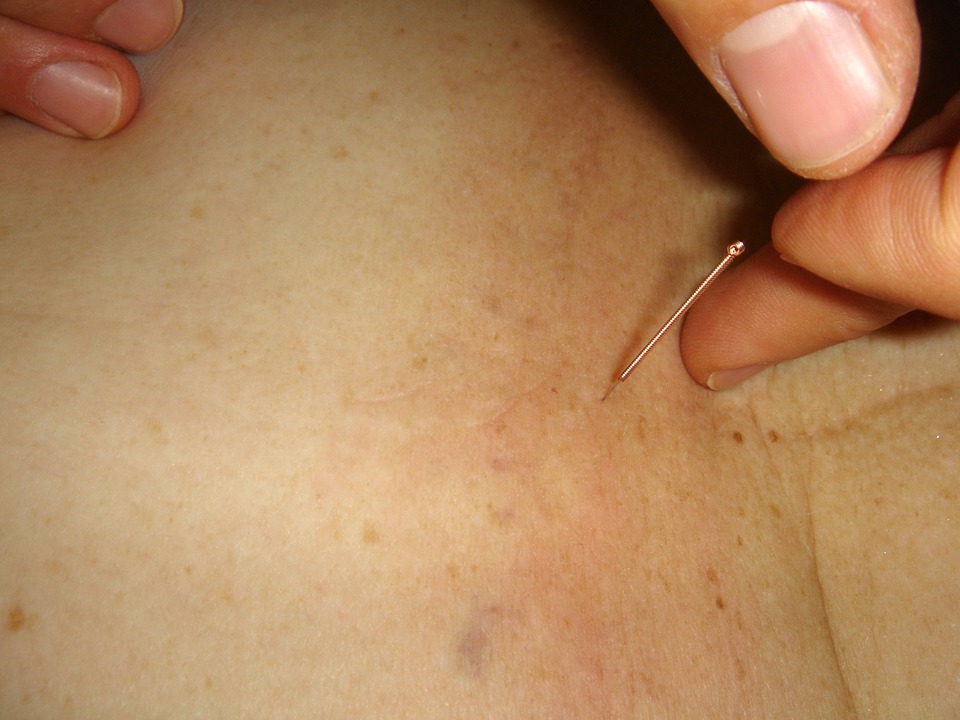 ‘All the evidence is compatible with the hypothesis that acupuncture is no more than a placebo,’ reveals Dr. H.Hall, former US Air Force flight surgeon. Does it matter if it works or not, when patients feel better?
In his study on the efficacy of acupuncture in patients with irritable bowel (IBS) there were 262 subjects. Dr Kaptchuk divided them into 3 groups. 1) Real acupuncture. 2) Sham acupuncture – with low attention. 3) Sham acupuncture – with warm attention. (Kaptchuk describes it as ‘very schmaltzy.’)
Patients believed acupuncture worked, and sure enough, 44% of patients having fake acupuncture reported positive physical and mental changes. An interested, attentive, caring acupuncturist used sham needles and spent time discussing their problems with them. There was a jump – 66% of patients felt better! This clearly shows the importance of the therapeutic relationship. At the end of the day does it matter if it works or not, when patients feel better?
Columbia University neuroscientists Prof. Tor Wager and Dr. Lauren Atlas reveal: “Placebos are drugs, devices or other treatments that are physically and pharmacologically inert. Placebo interventions do not, by definition, have any direct therapeutic effects on the body. However, all treatments are delivered in a context that includes social and physical cues, verbal suggestions and treatment history.This context is actively interpreted by the brain and can elicit expectations, memories and emotions, which in turn can influence health related outcomes in the brain and body.”
Placebo meds don’t work for heart attack, broken bones or tumours.
Mind Body Connection
- Half of patients with Parkinson’s Disease improved after a placebo injection of saline – salty water. Parkinson’s symptoms are typically caused by failure in the production of neurotransmitter Dopamine – better known as the ‘reward’ hormone. Brain scans confirmed ‘anticipation of symptom relief kick-starts dopamine production.’
- Prof.Tor Wager told studysubjects one skin cream would reduce pain, while another one was inert. Brain scans and verbal feedback showed subjects felt less discomfort with the ‘effective’ cream. Both creams were identical.
“Whether treatment is active or placebo, the clinical setting of it includes context information perceived and interpreted by the patient’s brain – the place, social cues and the way treatment is given, and verbal suggestions. Added to these the patient’s expectations, emotions and appraisals of the context are the active ingredients of placebo effects.”
The other side
Nocebo is Latin for ‘I shall harm.’ It’s an inert substance or treatment, creating harmful effects in patients who believe it will have such an effect. Nocebo effect is the reaction of person getting it. Voodoo relies on this. In studies roughly about 1:5 patients receiving a placebo report adverse reactions – headache, nausea to insomnia and flushing.
A study followed 3264 workers with acute back pain. People who had MRI scans felt worse afterwards – even when the news was not so bad. Why? Anxiety increases with the naming of conditions. Medical terms like ‘degenerative changes’ strike fear into people.
Could this be why some folk refuse to read medicine info sheets – in case they get the adverse reactions mentioned?
Headstart
I explained to Aisling our session was the real deal! A full-on 90 minutes of interactive therapy – Mindfulness hypnotherapy and EMDR.

Challenging her beliefs about herself, checking out the realities and reinterpreting the meanings. Learning to focus her attention on the here-and-now, allowing anxiety thoughts to pass. Using her skills helped her settle into a good night’s sleep to feel refreshed in the morning. ‘No wonder I was tired after all that work. It didn’t seem a lot at the time, though. During the week I did notice more and even stopped myself, when I was bitchy to myself – a first for me,’ she smiled.’I love feeling more in control and confident – not swept up in my thoughts – free from my anxiety.’
Have a read of the research results showing the efficacy of methods I use!
https://helenatubridy.com/fertility-mindfulness/research/
