
Easter time is here. Spring break and chocolate heaven beckon. But where did the notion of bunnies and eggs start?
The Easter choc spend per house averages a whopping €77. Chocolate is obviously a vital part of Easter for us now so let’s take a look at the egg connection.
Chocolate Easter Eggs … and Bunnies?
Pagan goddess, Oestra, rescued an injured bird who couldn’t fly so she magicked him into a hare. To remember his avian past, he got to lay coloured eggs once a year! Egyptians, Greeks, Romans and Iranian Zoroastrians kept the tradition of painting empty egg shells. Pretty baskets replaced nests.
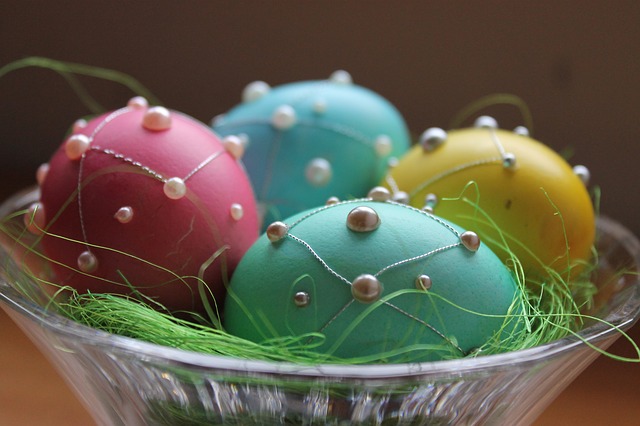
European chocolatiers brought the yummy eggs to 18th century Pennsylvania. The most expensive, calorie-free eggs are Peter Karl Fabergé’s works of art, commissioned by Czar Alexander 3rd.
Fertility time
I imagine every ovum about to be fertilized as a Fabergé egg. Just remember of all the eggs … you were the special one!
The clocks ‘spring’ forward one hour around easter in an outdated daylight saving tradition. My gripe about this is the loss of an hour’s sleep and disruption to the body clock. It takes up to two weeks to adjust. Heart attack and road traffic accident rates peak in the aftermath of the clock change. Reproductive activity is carefully timed and changing sleep/wake schedules disrupts the ovarian cycle. Studies show shift workers, nurses and flight attendants experience menstrual difficulties and fertility problems. IVF is less successful during this adjustment to that precious stolen hour.
Shades
How does this impact the human body clock?

Research shows sunlight enters your eyes and stimulates the pituitary and by extension, reproductive glands. Sunlight gets hormones flowing. Sun on skin produces Vitamin D, a big player if achieving pregnancy. Who doesn’t love the glam effect of summery shades? Fair enough, I wouldn’t want anyone squinting in selfies, or risking wrinkles. However, you both might just do yourself a big favour by ditching the shades for some free light-therapy.
Why is Easter Different Each Year?
Easter is a ‘moveable’ feast. It is calculated calculated as the first Sunday after the first full moon, after Spring Equinox on 21st of March.
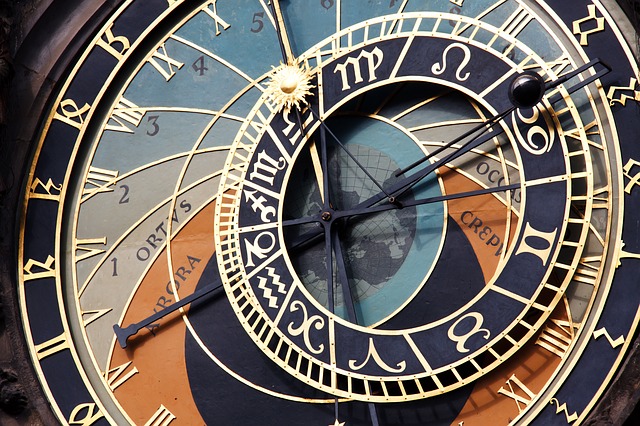
Emperor Constantine decided to have Easter on a Sunday back in 325 ce. Quaint, but it can make holiday planning awkward.
Sex, prostitution, love and war
Oestra, a Teutonic goddess of Spring and Fertility, gives her name to Easter. Fertility rites were celebrated at the Spring equinox in her honour. Her memory lives on! Oestrogen is a crucial fertility hormone. Oestrus, the fertility cycle in animals, is named for sensual Oestra. Sadly, America dropped the ‘E,’ to give Estra, Estrogen and Estrus. Ishtar (pronounced Easter) was a Sumerian goddess who had it all covered … fertility, prostitution, love and war!
Rabbits and hares breed with abandon, so intending dads wore a charm of dried rabbit scrotum. Eew! Before pee-sticks pregnancy tests meant injecting rabbits.

Rising
The Irish Rebellion, #EasterRising, started on April 23rd, 1916 and changed the course of our small nation. Centenary celebrations are underway as we remember all those who were part of a pivotal piece of history.
Discover more over on https://helenatubridy.com/fertility-blog/
